Resources
Grazing Takeaways
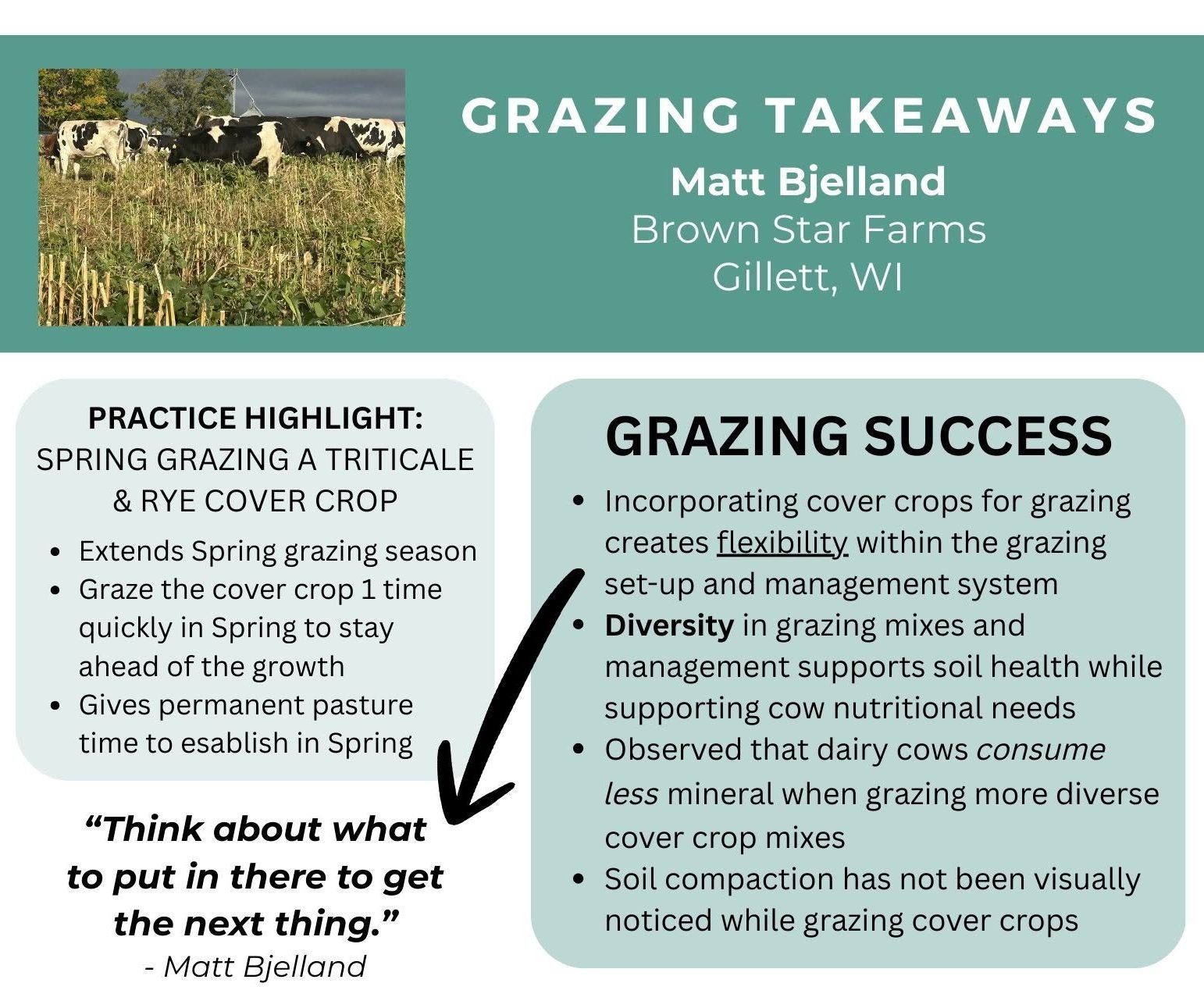
Brown Star Farms shared grazing updates at the GBWS Winter Meeting.
Next year, Matt said he plans to graze his dry cows and heifers for 260 days. Here’s how Brown Star Farms extends their grazing season.
Soil Health Success
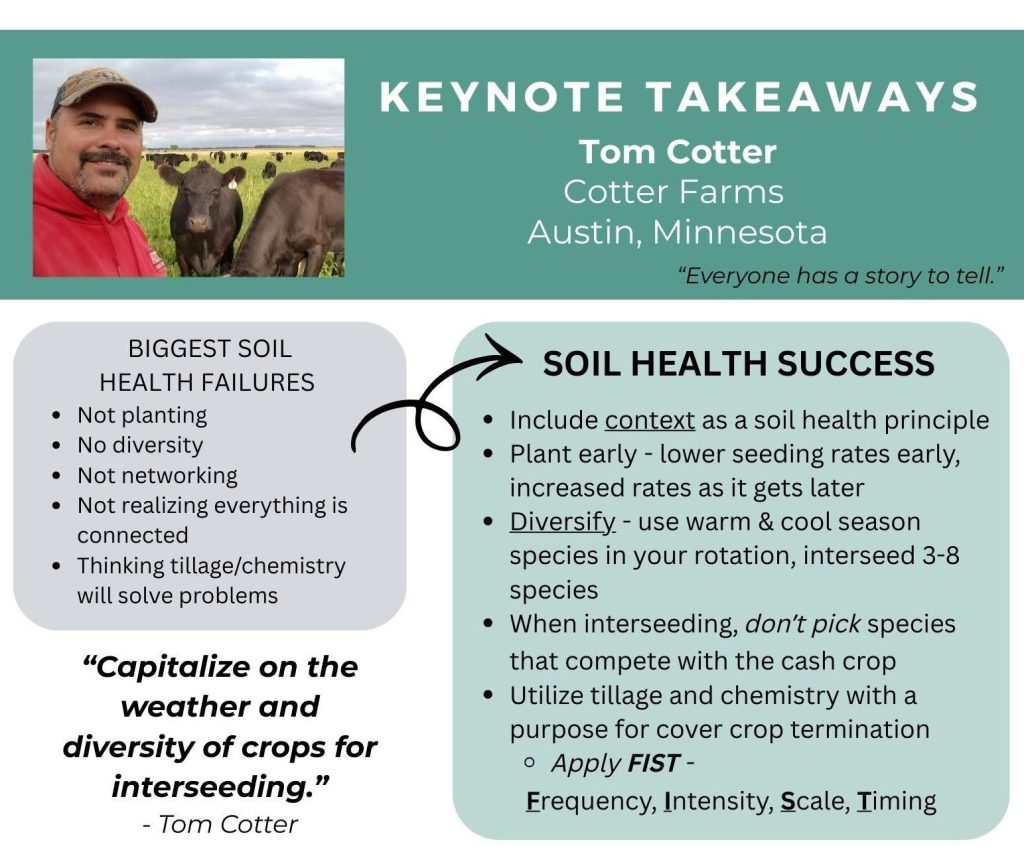
Tom Cotter shared how he’s transforming his farm with a soil health system. Here’s a recap of his successes and lessons learned.
Corn Row Spacing
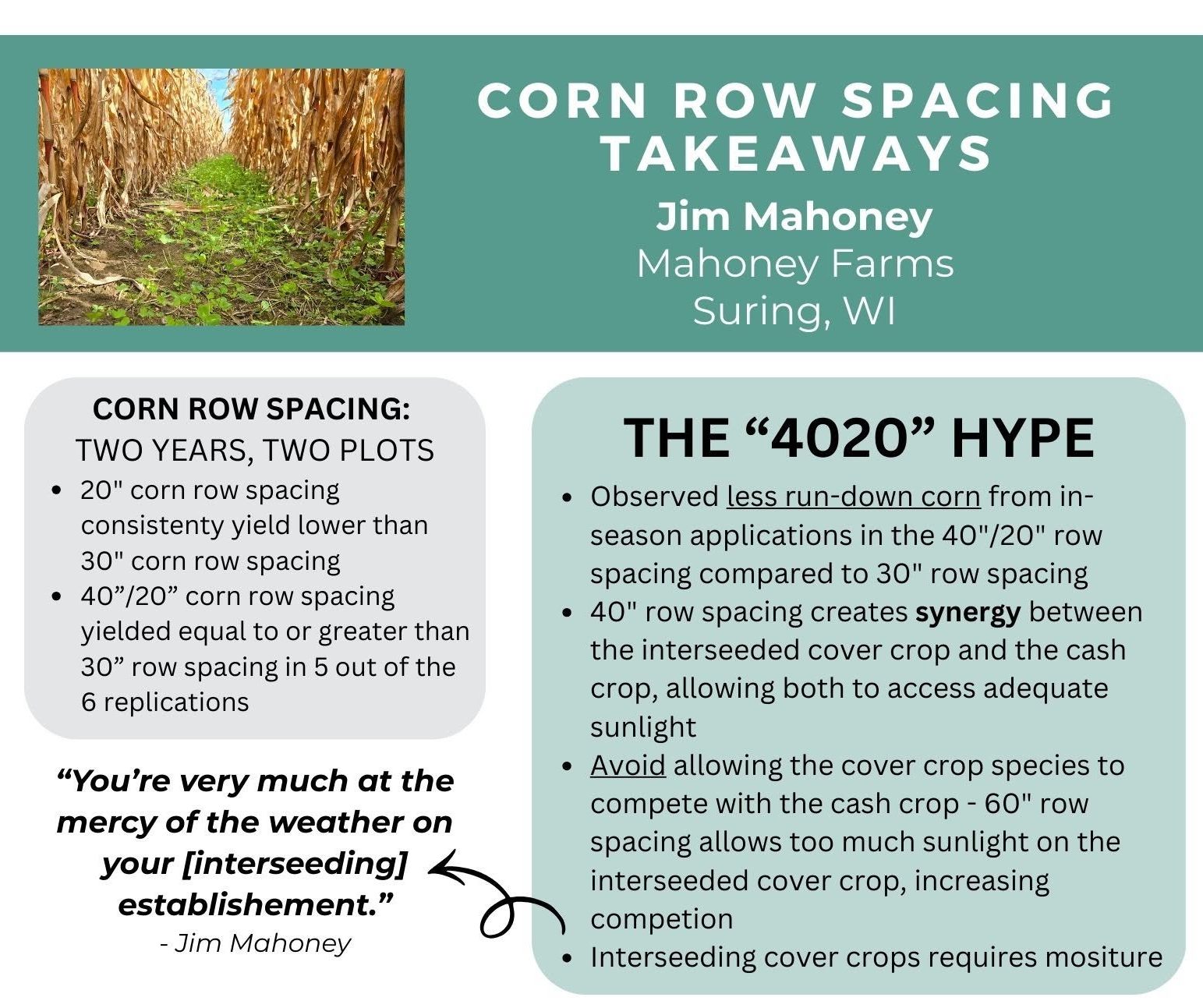
Jim Mahoney was another local presenter at the GBWS Winter Meeting. Jim has been analyzing corn row spacings for multiple years
and continues to interseed cover crops.
Corn Row Spacing continued…
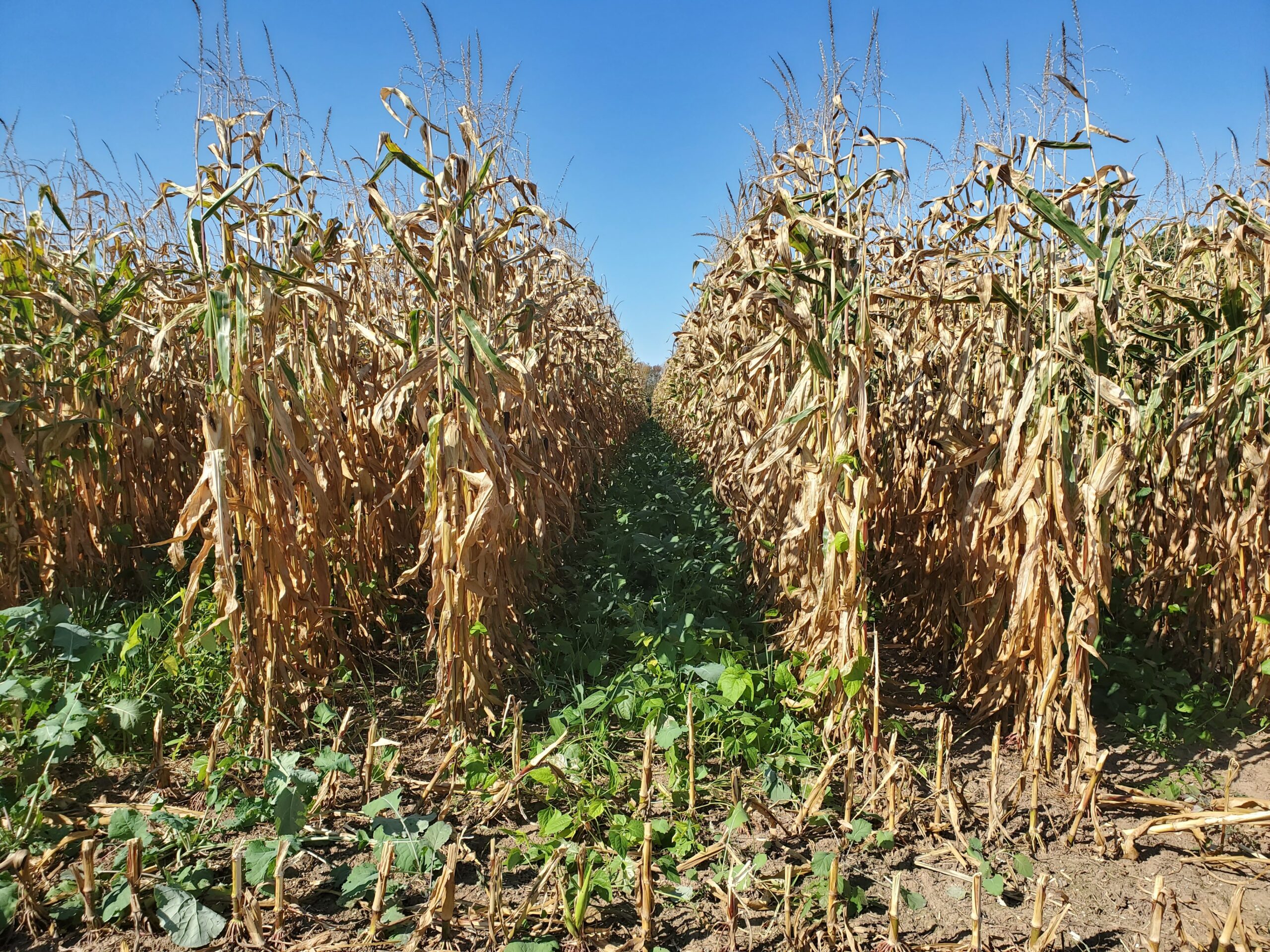
Mahoney Farms continues to evaluate corn row spacing to determine how it impacts yield on their fine sandy loam soils.
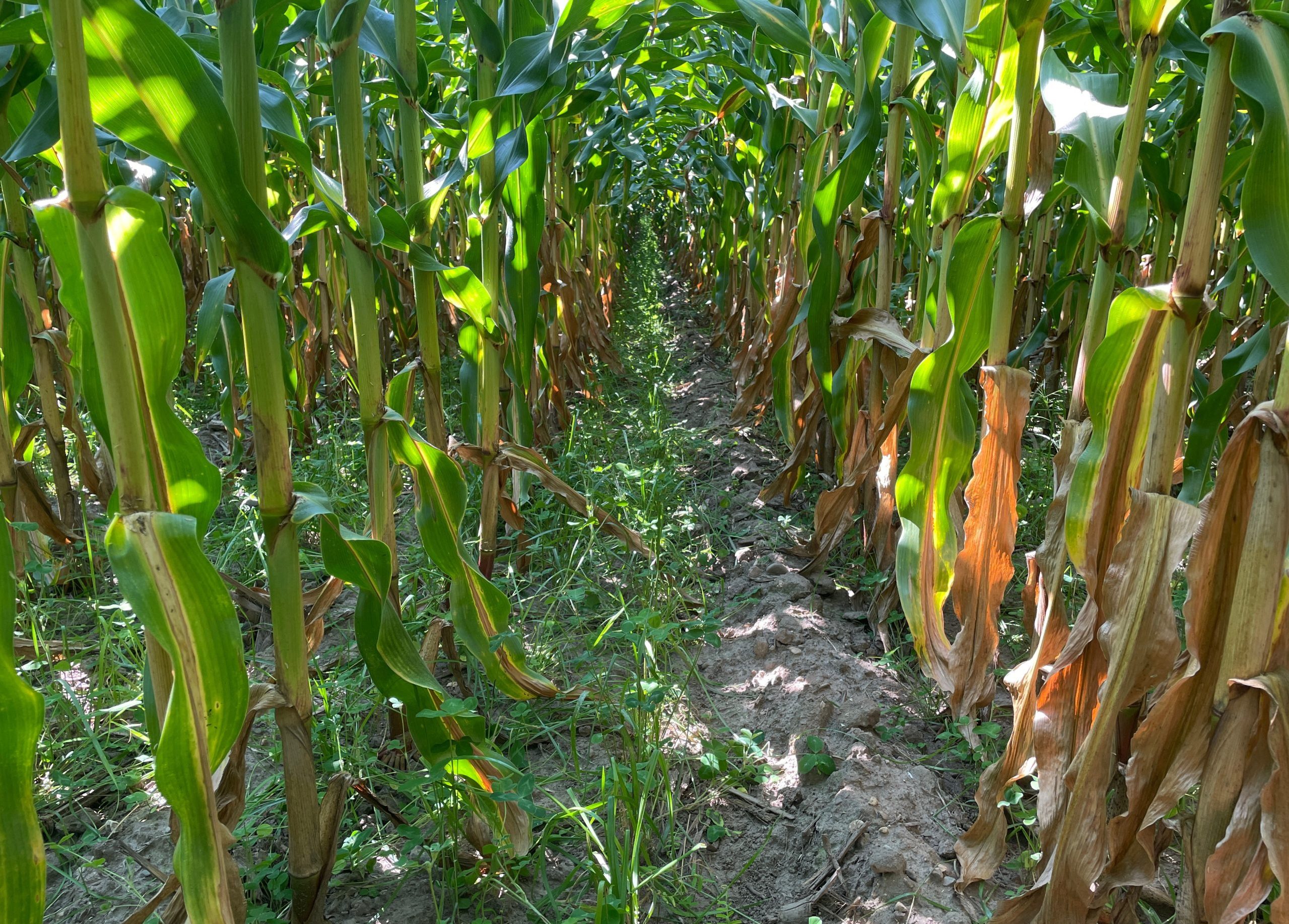
Finding the right row spacing for your management system can help reduce competition for nutrients and light while improving weed suppression.
Interseeding Cover Crops for Nutrient Managment
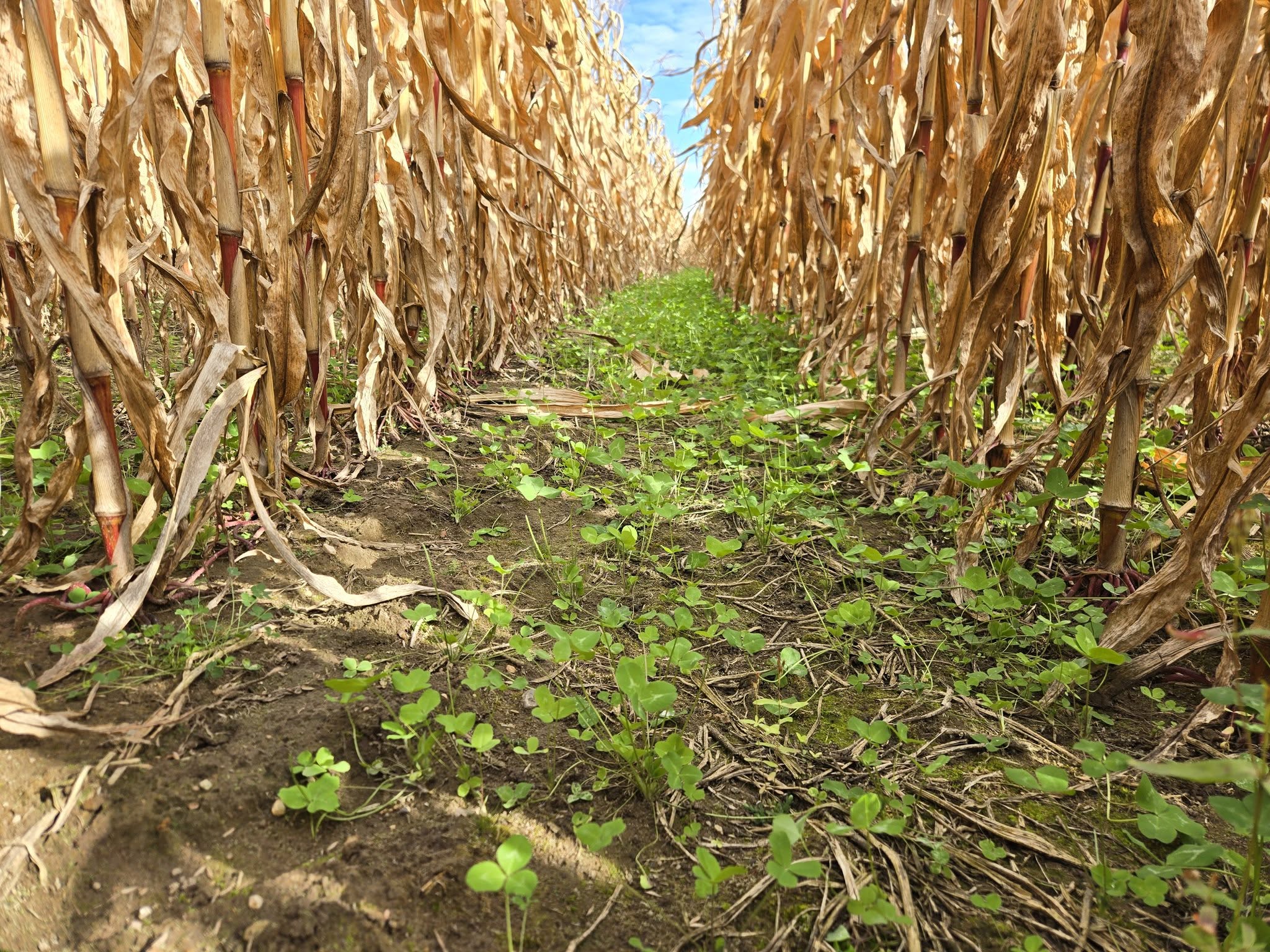
Clover, along with rhizobia bacteria in its root nodules, can fix nitrogen from the air.
As the plant material breaks down, that nitrogen is released into the soil and becomes available for future crops. This project aims to demonstrate how that nitrogen contribution can influence corn yield on fine sandy loam soils.
Low Disturbance Manure Application
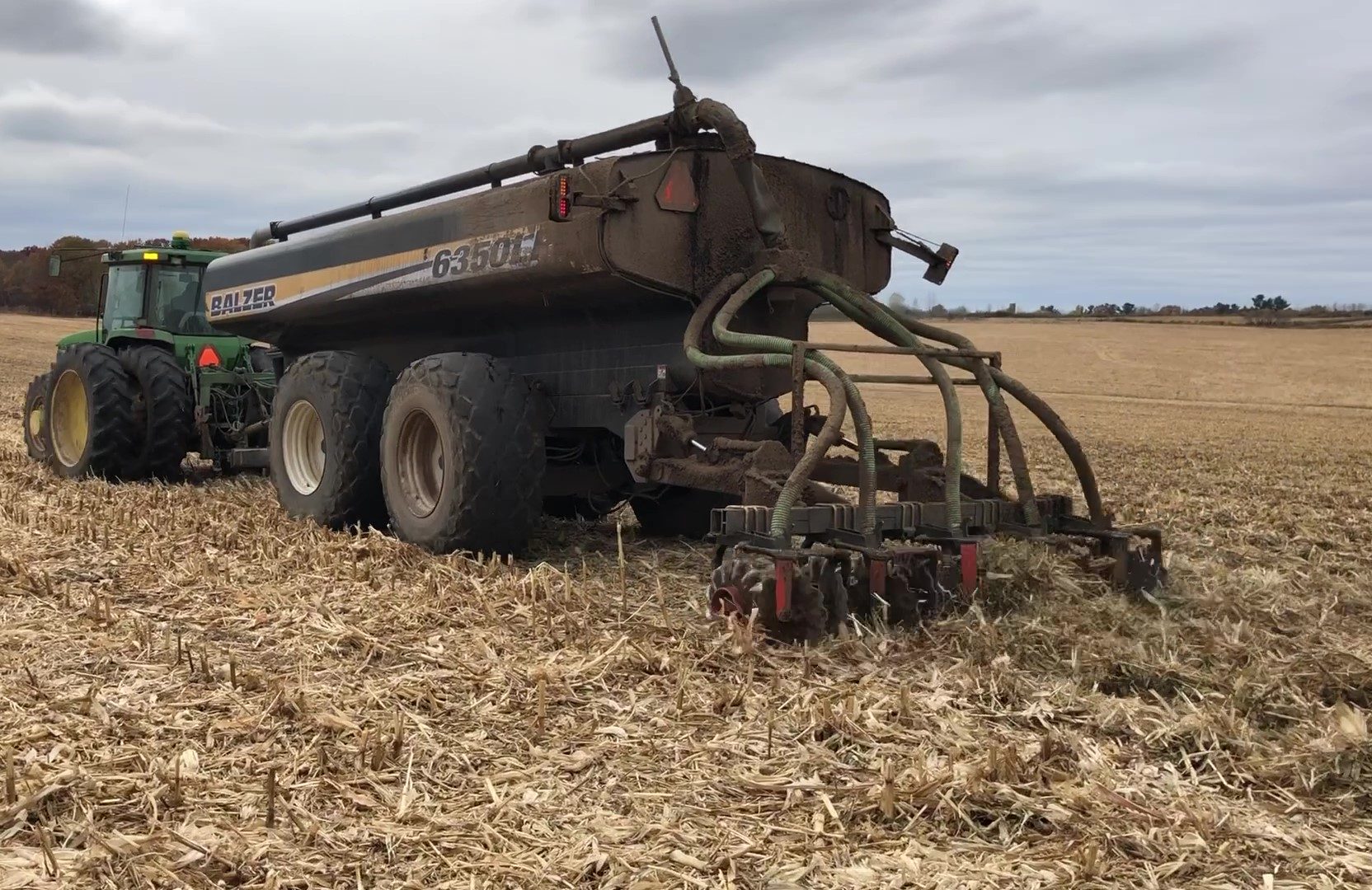
Low-disturbance manure application (LDMI) is a method of applying manure while minimizing soil disturbance compared to traditional manure application methods. Manure is a valuable tool for increasing soil organic matter, and pairing it with a low-disturbance application helps support overall soil health.
Interseeding Cover Crops for Grazing
The goal? To establish cover crops for grazing while maintaining a protective living cover before corn harvest; reducing soil erosion and limiting nutrient losses throughout the season.
Slugs
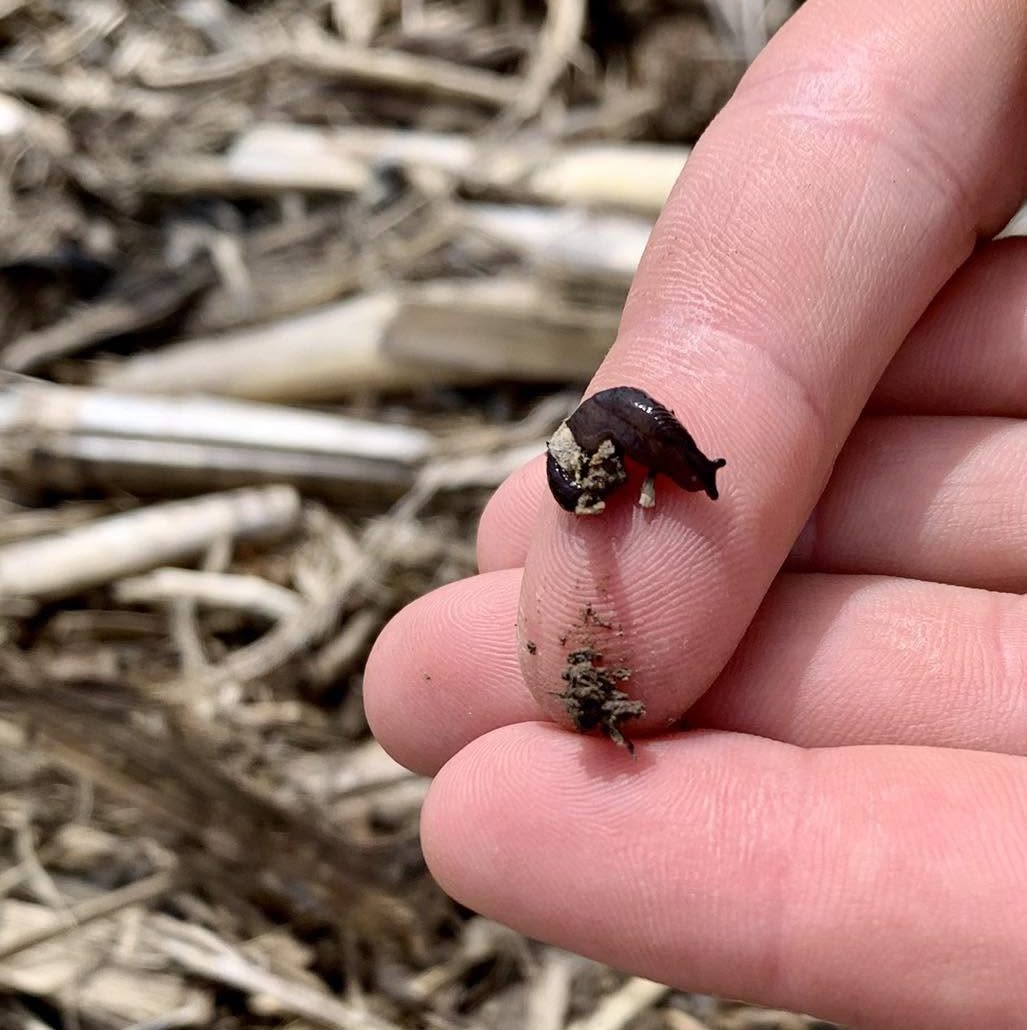
Heavy slug feeding can reduce soybean stands and delay early-season growth. If you spot feeding injury, continue scouting to see how widespread the damage is and whether plants are recovering.
Because slugs are mollusks, not insects, they can be difficult to manage with traditional pesticide approaches. Monitoring fields and tracking damage now can help guide management decisions and crop planning for future growing seasons.